Buy technopa.eu ?
We are moving the project
technopa.eu .
Are you interested in purchasing the domain
technopa.eu ?
domain@kv-gmbh.de · 0541-91531010
Buy technopa.eu ?
Digital single-lens reflex camera or mirrorless camera?
The choice between a digital single-lens reflex (DSLR) camera and a mirrorless camera depends on individual preferences and needs. DSLRs are known for their optical viewfinders, longer battery life, and extensive lens options, while mirrorless cameras are lighter, more compact, and offer silent shooting and real-time exposure previews. If you prioritize traditional photography features and a wide range of lens options, a DSLR may be the better choice. However, if you value portability, advanced autofocus systems, and electronic viewfinders, a mirrorless camera may be the better option for you. **
Which lens mount does this lens have?
This lens has a Canon EF lens mount. This means it is compatible with Canon DSLR cameras that use the EF mount, as well as some mirrorless cameras with an EF to RF mount adapter. The EF mount is a widely used and versatile mount, allowing for compatibility with a wide range of Canon cameras. **


Similar search terms for Lens
Top-Angebote
Products related to Lens:
-
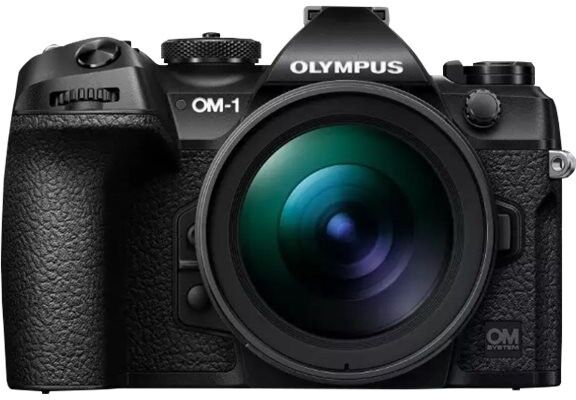
Olympus OM System 1 - digital camera M.Zuiko Digital ED 12-40mm F2.8 PRO II lensDescription: The OM SYSTEM OM-1 is a flagship mirrorless camera built for professional photographers and content creators who demand exceptional speed, image quality and reliability. Featuring a high-performance stacked Live MOS sensor and the advanced TruePic X image processor, it delivers outstanding image detail, excellent low-light performance and lightning-fast autofocus for capturing everything from wildlife and sports to landscapes and portraits. The included M.Zuiko Digital ED 12-40mm F2.8 PRO II lens provides a versatile focal range with a constant bright aperture, making it ideal for a wide variety of shooting situations. Designed for both photography and filmmaking, the OM-1 captures stunning high-resolution still images and cinematic 4K video with advanced image stabilisation for smooth handheld shooting. Intelligent subject detection autofocus, high-speed continuous shooting and professional weather sealing allow you to shoot confidently in challenging environments, while the high-resolution electronic viewfinder and vari-angle touchscreen offer complete creative control. Built with durability and portability in mind, the OM SYSTEM OM-1 features a lightweight magnesium alloy body, extensive wireless connectivity and dual memory card slots for professional workflows. Whether you're travelling, creating content or photographing fast-moving subjects, this premium camera system delivers exceptional performance and versatility.1559,49 £*Shipping: 0,00 £Secure redirect to the provider
-
Olympus M.Zuiko Digital ED 40-150mm F4-5.6 Telephoto Zoom Lens - BlackDescription Capture distant subjects with impressive detail using the Olympus M.Zuiko Digital ED 40-150mm F4-5.6 Telephoto Zoom Lens. Designed for Micro Four Thirds (MFT) cameras, this lightweight and versatile zoom lens is ideal for wildlife, sports, travel, portraits, and everyday photography. The lens provides a flexible telephoto range with a 40-150mm focal length, allowing photographers to get closer to their subjects while maintaining excellent image quality. Its compact design makes it easy to carry, while the ED (Extra-low Dispersion) glass elements help reduce chromatic aberration and deliver sharp, high-contrast images. Compatible with Olympus OM-D and PEN models as well as Panasonic Lumix G series cameras, this black Olympus lens offers reliable performance and creative flexibility for photographers of all levels.228,49 £*Shipping: 0,00 £Secure redirect to the provider



-
Is there a lens hood for the lens?
Yes, there is a lens hood available for the lens. A lens hood is a useful accessory that helps to reduce lens flare and glare by blocking unwanted light from entering the lens. It can also provide some protection for the front element of the lens. It is recommended to use a lens hood whenever possible to improve the overall image quality. **
-
Can I place a lens in front of a digital microscope?
Yes, you can place a lens in front of a digital microscope to change its magnification and field of view. By adding a lens, you can increase the magnification of the digital microscope, allowing you to see smaller details. However, it's important to ensure that the lens is compatible with the digital microscope and that it does not distort the image quality. Additionally, you may need to adjust the focus and positioning of the lens to achieve the desired results. **
-
What does the lens do during autofocus 2 lens?
During autofocus, the lens in a camera with autofocus 2 technology adjusts its position to bring the subject into sharp focus. This is achieved through the movement of internal lens elements controlled by the camera's autofocus system. The lens continuously makes small adjustments to its focus position until the subject is in focus, allowing for quick and accurate focusing. This technology is particularly useful for capturing fast-moving subjects or for ensuring sharp focus in challenging lighting conditions. **
-
Why is the lens of my Samsung digital camera not retracting anymore?
There could be several reasons why the lens of your Samsung digital camera is not retracting. It could be due to a mechanical issue such as a jammed or broken gear within the lens mechanism. It could also be caused by dirt or debris getting stuck in the lens, preventing it from retracting properly. Another possibility is that the battery is low or the camera is not getting enough power to retract the lens. It's best to consult the user manual or contact Samsung customer support for troubleshooting and potential repairs. **


What is the temperature sensitivity of a digital single-lens reflex camera?
The temperature sensitivity of a digital single-lens reflex (DSLR) camera refers to how its performance is affected by changes in temperature. Extreme temperatures can impact the camera's battery life, LCD screen, and overall functionality. In cold temperatures, the battery life may decrease, and the LCD screen may become slower or less responsive. In hot temperatures, the camera may overheat, leading to potential damage or shutdown. It's important to be mindful of the temperature sensitivity of a DSLR camera and take precautions to protect it in extreme conditions. **
Is the converging lens the same as the diverging lens?
No, a converging lens and a diverging lens are not the same. A converging lens is thicker in the middle and causes parallel rays of light to converge at a focal point, while a diverging lens is thinner in the middle and causes parallel rays of light to diverge. Converging lenses are used to create real images, while diverging lenses are used to create virtual images. Therefore, the two types of lenses have different optical properties and applications. **
Top-Angebote
Products related to Lens:
-
Olympus OM System 1 - digital camera M.Zuiko Digital ED 12-40mm F2.8 PRO II lensDescription: The OM SYSTEM OM-1 is a flagship mirrorless camera built for professional photographers and content creators who demand exceptional speed, image quality and reliability. Featuring a high-performance stacked Live MOS sensor and the advanced TruePic X image processor, it delivers outstanding image detail, excellent low-light performance and lightning-fast autofocus for capturing everything from wildlife and sports to landscapes and portraits. The included M.Zuiko Digital ED 12-40mm F2.8 PRO II lens provides a versatile focal range with a constant bright aperture, making it ideal for a wide variety of shooting situations. Designed for both photography and filmmaking, the OM-1 captures stunning high-resolution still images and cinematic 4K video with advanced image stabilisation for smooth handheld shooting. Intelligent subject detection autofocus, high-speed continuous shooting and professional weather sealing allow you to shoot confidently in challenging environments, while the high-resolution electronic viewfinder and vari-angle touchscreen offer complete creative control. Built with durability and portability in mind, the OM SYSTEM OM-1 features a lightweight magnesium alloy body, extensive wireless connectivity and dual memory card slots for professional workflows. Whether you're travelling, creating content or photographing fast-moving subjects, this premium camera system delivers exceptional performance and versatility.1559,49 £*Shipping: 0,00 £Secure redirect to the provider
-
Digital single-lens reflex camera or mirrorless camera?
The choice between a digital single-lens reflex (DSLR) camera and a mirrorless camera depends on individual preferences and needs. DSLRs are known for their optical viewfinders, longer battery life, and extensive lens options, while mirrorless cameras are lighter, more compact, and offer silent shooting and real-time exposure previews. If you prioritize traditional photography features and a wide range of lens options, a DSLR may be the better choice. However, if you value portability, advanced autofocus systems, and electronic viewfinders, a mirrorless camera may be the better option for you. **
-
Which lens mount does this lens have?
This lens has a Canon EF lens mount. This means it is compatible with Canon DSLR cameras that use the EF mount, as well as some mirrorless cameras with an EF to RF mount adapter. The EF mount is a widely used and versatile mount, allowing for compatibility with a wide range of Canon cameras. **
-
Is there a lens hood for the lens?
Yes, there is a lens hood available for the lens. A lens hood is a useful accessory that helps to reduce lens flare and glare by blocking unwanted light from entering the lens. It can also provide some protection for the front element of the lens. It is recommended to use a lens hood whenever possible to improve the overall image quality. **
-
Can I place a lens in front of a digital microscope?
Yes, you can place a lens in front of a digital microscope to change its magnification and field of view. By adding a lens, you can increase the magnification of the digital microscope, allowing you to see smaller details. However, it's important to ensure that the lens is compatible with the digital microscope and that it does not distort the image quality. Additionally, you may need to adjust the focus and positioning of the lens to achieve the desired results. **
Similar search terms for Lens
-
Olympus M.Zuiko Digital ED 40-150mm F4-5.6 Telephoto Zoom Lens - BlackDescription Capture distant subjects with impressive detail using the Olympus M.Zuiko Digital ED 40-150mm F4-5.6 Telephoto Zoom Lens. Designed for Micro Four Thirds (MFT) cameras, this lightweight and versatile zoom lens is ideal for wildlife, sports, travel, portraits, and everyday photography. The lens provides a flexible telephoto range with a 40-150mm focal length, allowing photographers to get closer to their subjects while maintaining excellent image quality. Its compact design makes it easy to carry, while the ED (Extra-low Dispersion) glass elements help reduce chromatic aberration and deliver sharp, high-contrast images. Compatible with Olympus OM-D and PEN models as well as Panasonic Lumix G series cameras, this black Olympus lens offers reliable performance and creative flexibility for photographers of all levels.228,49 £*Shipping: 0,00 £Secure redirect to the provider
-
What does the lens do during autofocus 2 lens?
During autofocus, the lens in a camera with autofocus 2 technology adjusts its position to bring the subject into sharp focus. This is achieved through the movement of internal lens elements controlled by the camera's autofocus system. The lens continuously makes small adjustments to its focus position until the subject is in focus, allowing for quick and accurate focusing. This technology is particularly useful for capturing fast-moving subjects or for ensuring sharp focus in challenging lighting conditions. **
-
Why is the lens of my Samsung digital camera not retracting anymore?
There could be several reasons why the lens of your Samsung digital camera is not retracting. It could be due to a mechanical issue such as a jammed or broken gear within the lens mechanism. It could also be caused by dirt or debris getting stuck in the lens, preventing it from retracting properly. Another possibility is that the battery is low or the camera is not getting enough power to retract the lens. It's best to consult the user manual or contact Samsung customer support for troubleshooting and potential repairs. **
-
What is the temperature sensitivity of a digital single-lens reflex camera?
The temperature sensitivity of a digital single-lens reflex (DSLR) camera refers to how its performance is affected by changes in temperature. Extreme temperatures can impact the camera's battery life, LCD screen, and overall functionality. In cold temperatures, the battery life may decrease, and the LCD screen may become slower or less responsive. In hot temperatures, the camera may overheat, leading to potential damage or shutdown. It's important to be mindful of the temperature sensitivity of a DSLR camera and take precautions to protect it in extreme conditions. **
-
Is the converging lens the same as the diverging lens?
No, a converging lens and a diverging lens are not the same. A converging lens is thicker in the middle and causes parallel rays of light to converge at a focal point, while a diverging lens is thinner in the middle and causes parallel rays of light to diverge. Converging lenses are used to create real images, while diverging lenses are used to create virtual images. Therefore, the two types of lenses have different optical properties and applications. **
* All prices are inclusive of VAT and, if applicable, plus shipping costs. The offer information is based on the details provided by the respective shop and is updated through automated processes. Real-time updates do not occur, so deviations can occur in individual cases. ** Note: Parts of this content were created by AI.