Buy technopa.eu ?
We are moving the project
technopa.eu .
Are you interested in purchasing the domain
technopa.eu ?
domain@kv-gmbh.de · 0541-91531010
Buy technopa.eu ?
Are these four-poles connected in parallel?
Yes, the four poles are connected in parallel. This can be inferred from the fact that all the poles are connected to the same line or source, and the voltage across each pole is the same. In a parallel connection, the voltage across each component is constant, while the current may vary. **
Why is the capacitor connected in parallel?
A capacitor is connected in parallel to a circuit in order to store and release electrical energy quickly. This configuration allows the capacitor to provide a temporary power source when there are sudden fluctuations in the voltage supply. By being connected in parallel, the capacitor can easily charge and discharge as needed, helping to stabilize the voltage levels in the circuit. **


Similar search terms for Parallel
Top-Angebote
Products related to Parallel:



-
How are the components connected in parallel?
Components connected in parallel are connected in such a way that each component has its own separate path to the power source. This means that the voltage across each component is the same, but the current may vary. If one component fails, the others will continue to operate independently. Parallel connections are commonly used in electrical circuits to provide redundancy and increase the overall reliability of the system. **
-
Should the ohmmeter be connected in series or parallel?
The ohmmeter should be connected in series with the component being tested. This is because the ohmmeter measures the resistance of the component, and in order to accurately measure the resistance, the current must flow through the component. Connecting the ohmmeter in series ensures that the current flows through the component and the resistance can be accurately measured. If the ohmmeter is connected in parallel, it will not provide an accurate measurement of the component's resistance. **
-
Should resistors be connected in parallel or in series?
Resistors should be connected in parallel when the goal is to decrease the total resistance in a circuit. This is because in a parallel connection, the total resistance is less than the resistance of the smallest individual resistor. On the other hand, resistors should be connected in series when the goal is to increase the total resistance in a circuit. In a series connection, the total resistance is the sum of the individual resistors. **
-
How are LED strips connected in a parallel circuit?
LED strips are connected in a parallel circuit by connecting the positive (+) terminals of all the LED strips together and the negative (-) terminals together. This allows each LED strip to receive the same voltage and operate independently of the others. Connecting the LED strips in parallel ensures that if one strip fails, the others will continue to operate. Additionally, parallel connections allow for easier installation and maintenance of the LED strips. **


Should it be connected in series or in parallel?
The decision to connect components in series or in parallel depends on the specific application and the desired outcome. Connecting components in series means that the current flows through each component in sequence, while connecting them in parallel means that the current is split and flows through each component simultaneously. If the goal is to increase the total resistance or voltage, then components should be connected in series. On the other hand, if the goal is to increase the total current or power, then components should be connected in parallel. Ultimately, the choice between series and parallel connection depends on the specific requirements of the circuit and the desired electrical characteristics. **
Are the batteries connected in series or parallel here?
The batteries are connected in parallel in the image. This can be inferred from the fact that the positive terminals of the batteries are connected together, and the negative terminals are also connected together. In a parallel connection, the voltage remains the same across all the batteries, while the total current capacity increases. **
Top-Angebote
Products related to Parallel:
-
StarTech.com 1-Port Parallel PCIe Card, PCI Express to Parallel DB25 LPT Adapter Card, Desktop Expansion Controller for Printer, SPP/ECP - parallel adStarTech.com 1-Port Parallel PCIe Card, PCI Express to Parallel DB25 LPT Adapter Card, Desktop Expansion Controller for Printer, SPP/ECP - Parallel adapter - PCIe - IEEE 1284 - black34,49 £*Shipping: 0,00 £Secure redirect to the provider
-
Are these four-poles connected in parallel?
Yes, the four poles are connected in parallel. This can be inferred from the fact that all the poles are connected to the same line or source, and the voltage across each pole is the same. In a parallel connection, the voltage across each component is constant, while the current may vary. **
-
Why is the capacitor connected in parallel?
A capacitor is connected in parallel to a circuit in order to store and release electrical energy quickly. This configuration allows the capacitor to provide a temporary power source when there are sudden fluctuations in the voltage supply. By being connected in parallel, the capacitor can easily charge and discharge as needed, helping to stabilize the voltage levels in the circuit. **
-
How are the components connected in parallel?
Components connected in parallel are connected in such a way that each component has its own separate path to the power source. This means that the voltage across each component is the same, but the current may vary. If one component fails, the others will continue to operate independently. Parallel connections are commonly used in electrical circuits to provide redundancy and increase the overall reliability of the system. **
-
Should the ohmmeter be connected in series or parallel?
The ohmmeter should be connected in series with the component being tested. This is because the ohmmeter measures the resistance of the component, and in order to accurately measure the resistance, the current must flow through the component. Connecting the ohmmeter in series ensures that the current flows through the component and the resistance can be accurately measured. If the ohmmeter is connected in parallel, it will not provide an accurate measurement of the component's resistance. **
Similar search terms for Parallel
-
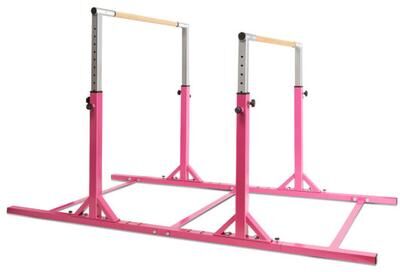
Smart Shopping Spot Relife Heavy Duty Dip Station With Parallel Bars For Home Gym Strength Training Relife Heavy Duty Dip Station With Parallel Bars For Home Gym Strength TrainingTransform your workouts with a sturdy training station built to help you gain strength and confidence at home. This Dip station is designed for fitness enthusiasts, beginners, and experienced athletes looking for reliable Home gym equipment. Its...79,97 $*Shipping: 0,00 $Secure redirect to the provider
-
Should resistors be connected in parallel or in series?
Resistors should be connected in parallel when the goal is to decrease the total resistance in a circuit. This is because in a parallel connection, the total resistance is less than the resistance of the smallest individual resistor. On the other hand, resistors should be connected in series when the goal is to increase the total resistance in a circuit. In a series connection, the total resistance is the sum of the individual resistors. **
-
How are LED strips connected in a parallel circuit?
LED strips are connected in a parallel circuit by connecting the positive (+) terminals of all the LED strips together and the negative (-) terminals together. This allows each LED strip to receive the same voltage and operate independently of the others. Connecting the LED strips in parallel ensures that if one strip fails, the others will continue to operate. Additionally, parallel connections allow for easier installation and maintenance of the LED strips. **
-
Should it be connected in series or in parallel?
The decision to connect components in series or in parallel depends on the specific application and the desired outcome. Connecting components in series means that the current flows through each component in sequence, while connecting them in parallel means that the current is split and flows through each component simultaneously. If the goal is to increase the total resistance or voltage, then components should be connected in series. On the other hand, if the goal is to increase the total current or power, then components should be connected in parallel. Ultimately, the choice between series and parallel connection depends on the specific requirements of the circuit and the desired electrical characteristics. **
-
Are the batteries connected in series or parallel here?
The batteries are connected in parallel in the image. This can be inferred from the fact that the positive terminals of the batteries are connected together, and the negative terminals are also connected together. In a parallel connection, the voltage remains the same across all the batteries, while the total current capacity increases. **
* All prices are inclusive of VAT and, if applicable, plus shipping costs. The offer information is based on the details provided by the respective shop and is updated through automated processes. Real-time updates do not occur, so deviations can occur in individual cases. ** Note: Parts of this content were created by AI.