Buy technopa.eu ?
We are moving the project
technopa.eu .
Are you interested in purchasing the domain
technopa.eu ?
domain@kv-gmbh.de · 0541-91531010
Buy technopa.eu ?
Should I replace this radiator hose?
If the radiator hose is showing signs of wear such as cracks, bulges, or leaks, then it is recommended to replace it. A damaged radiator hose can lead to coolant leaks, overheating of the engine, and potential engine damage. It is better to replace the hose preventatively rather than risk a breakdown or more costly repairs in the future. If you are unsure about the condition of the hose, it is best to have a mechanic inspect it for you. **
Why did the radiator hose burst?
The radiator hose likely burst due to a combination of factors such as age, wear and tear, and high pressure. Over time, the rubber in the hose can degrade and become more prone to cracking and bursting. Additionally, if the cooling system is not properly maintained and the coolant levels are not regularly checked, it can lead to overheating and increased pressure within the hose, causing it to burst. It's important to regularly inspect and replace radiator hoses to prevent unexpected failures. **
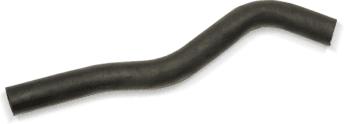
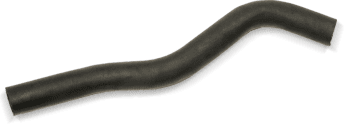
Similar search terms for THERMOTEC-DWG064TT-Radiator-hose
Top-Angebote
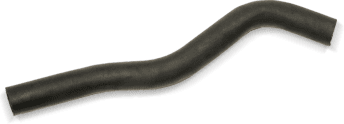
Products related to THERMOTEC-DWG064TT-Radiator-hose:
-
THERMOTEC DWX100TT Radiator hoseQuantity Unit: Packing Unit; Weight [g]: 72; Material, 1st layer: EPDM (ethylene propylene diene Monomer (M-class) rubber); Material, 2nd layer: Polyester; Material, 3rd layer: EPDM (ethylene propylene diene Monomer (M-class) rubber)5,99 £*Shipping: 8,45 £Secure redirect to the provider
-
THERMOTEC DWP103TT Radiator hoseCooling Hose: from connecting pipe to engine cooler; Fitting Position: Upper; for OE number: 1343T4; Construction Year to: 09/2000, 05/1999, 06/1998; Engine Code: TU1M+; Transmission Type: Manual Transmission, Fully Automatic7,29 £*Shipping: 8,45 £Secure redirect to the provider
-
THERMOTEC DWV022TT Radiator hoseConstruction Year from: 09/1991, 06/1994, 03/1998, 12/1994, 09/1993, 11/1996, 04/1997, 06/1997, 10/1998, 10/1999, 11/1997, 12/1998, 07/1999, 06/1995; Fitting Position: Upper; Vehicle type: Montero, Pajero, Elantra, Lantra, -> 2001, -> 2002, Shogun, ->I 2001; Left-/right-hand drive vehicles: for left-hand drive vehicles, for right-hand drive vehicles; Construction Year to: 05/1993, 06/1999, 09/1998, 12/2000, 12/1998, 08/2000, 03/1999, 08/1999, 01/2000, 12/1999, 05/1999, 06/2003, 01/2009; Transmission Type: Manual Transmission; for OE number: 9492889; Charge Type: Naturally Aspirated Engine; for model code: Montero, Pajero6,59 £*Shipping: 8,45 £Secure redirect to the provider


-
"Is the radiator hose torn and leaking at the clamp?"
To determine if the radiator hose is torn and leaking at the clamp, you should visually inspect the hose for any visible tears or damage. Additionally, you can check for any signs of coolant leakage around the clamp area. If there is evidence of a tear or leak, it is important to address the issue promptly to prevent further damage to the cooling system. It may be necessary to replace the hose or tighten the clamp to resolve the issue. **
-
Where is the oil pump hose connected?
The oil pump hose is typically connected to the oil pump, which is located inside the engine. The hose is responsible for carrying oil from the oil pump to the various parts of the engine that require lubrication, such as the bearings and camshaft. It is an essential component for ensuring proper oil circulation and engine performance. **
-
Which radiator heats better: a flat panel radiator or a ribbed radiator?
A ribbed radiator typically heats better than a flat panel radiator. The ribbed design increases the surface area of the radiator, allowing for more efficient heat transfer. This means that a ribbed radiator can heat a room more quickly and effectively than a flat panel radiator. Additionally, the ribbed design allows for better circulation of air, further enhancing its heating capabilities. **
-
Can the drainage hose also be connected from below?
Yes, the drainage hose can also be connected from below. This method is often used when the washing machine is located in a basement or on a lower level. By connecting the drainage hose from below, it allows for the water to flow out easily without any obstructions. It is important to ensure that the hose is properly secured and sloped downward to prevent any water from backing up into the machine. **


Can the dishwasher's wastewater hose be connected like this?
No, the dishwasher's wastewater hose should not be connected in this way. It is important to follow the manufacturer's instructions for proper installation and connection of the dishwasher's wastewater hose to ensure it functions correctly and efficiently. Improper connection can lead to leaks, blockages, and potential damage to the dishwasher or plumbing system. It is recommended to consult the dishwasher's manual or a professional plumber for guidance on the correct installation of the wastewater hose. **
Can the dishwasher's drainage hose be connected like this?
No, the dishwasher's drainage hose should not be connected in that way. The drainage hose should be connected to a high loop or air gap to prevent backflow of water into the dishwasher. Connecting the drainage hose in the manner shown in the image could lead to water backing up into the dishwasher, causing potential damage and unsanitary conditions. It's important to follow the manufacturer's instructions and local plumbing codes when installing a dishwasher drainage hose. **
Top-Angebote
Products related to THERMOTEC-DWG064TT-Radiator-hose:
-
THERMOTEC DWX100TT Radiator hoseQuantity Unit: Packing Unit; Weight [g]: 72; Material, 1st layer: EPDM (ethylene propylene diene Monomer (M-class) rubber); Material, 2nd layer: Polyester; Material, 3rd layer: EPDM (ethylene propylene diene Monomer (M-class) rubber)5,99 £*Shipping: 8,45 £Secure redirect to the provider
-
Should I replace this radiator hose?
If the radiator hose is showing signs of wear such as cracks, bulges, or leaks, then it is recommended to replace it. A damaged radiator hose can lead to coolant leaks, overheating of the engine, and potential engine damage. It is better to replace the hose preventatively rather than risk a breakdown or more costly repairs in the future. If you are unsure about the condition of the hose, it is best to have a mechanic inspect it for you. **
-
Why did the radiator hose burst?
The radiator hose likely burst due to a combination of factors such as age, wear and tear, and high pressure. Over time, the rubber in the hose can degrade and become more prone to cracking and bursting. Additionally, if the cooling system is not properly maintained and the coolant levels are not regularly checked, it can lead to overheating and increased pressure within the hose, causing it to burst. It's important to regularly inspect and replace radiator hoses to prevent unexpected failures. **
-
"Is the radiator hose torn and leaking at the clamp?"
To determine if the radiator hose is torn and leaking at the clamp, you should visually inspect the hose for any visible tears or damage. Additionally, you can check for any signs of coolant leakage around the clamp area. If there is evidence of a tear or leak, it is important to address the issue promptly to prevent further damage to the cooling system. It may be necessary to replace the hose or tighten the clamp to resolve the issue. **
-
Where is the oil pump hose connected?
The oil pump hose is typically connected to the oil pump, which is located inside the engine. The hose is responsible for carrying oil from the oil pump to the various parts of the engine that require lubrication, such as the bearings and camshaft. It is an essential component for ensuring proper oil circulation and engine performance. **
Similar search terms for THERMOTEC-DWG064TT-Radiator-hose
-
THERMOTEC DWP103TT Radiator hoseCooling Hose: from connecting pipe to engine cooler; Fitting Position: Upper; for OE number: 1343T4; Construction Year to: 09/2000, 05/1999, 06/1998; Engine Code: TU1M+; Transmission Type: Manual Transmission, Fully Automatic7,29 £*Shipping: 8,45 £Secure redirect to the provider
-
THERMOTEC DWV022TT Radiator hoseConstruction Year from: 09/1991, 06/1994, 03/1998, 12/1994, 09/1993, 11/1996, 04/1997, 06/1997, 10/1998, 10/1999, 11/1997, 12/1998, 07/1999, 06/1995; Fitting Position: Upper; Vehicle type: Montero, Pajero, Elantra, Lantra, -> 2001, -> 2002, Shogun, ->I 2001; Left-/right-hand drive vehicles: for left-hand drive vehicles, for right-hand drive vehicles; Construction Year to: 05/1993, 06/1999, 09/1998, 12/2000, 12/1998, 08/2000, 03/1999, 08/1999, 01/2000, 12/1999, 05/1999, 06/2003, 01/2009; Transmission Type: Manual Transmission; for OE number: 9492889; Charge Type: Naturally Aspirated Engine; for model code: Montero, Pajero6,59 £*Shipping: 8,45 £Secure redirect to the provider
-
THERMOTEC DWR189TT Radiator hoseCooling Hose: from connecting pipe to engine cooler; Fitting Position: Upper; for OE number: 7700801054; Construction Year from: 04/1996, 01/1993; Engine Code: E5F E7F, E6J E7J; Construction Year to: 03/1996; Vehicle Equipment: for vehicles without air conditioning; Transmission Type: Manual Transmission; Production date from: 01/93, 01/96; Production date to: 03/967,29 £*Shipping: 8,45 £Secure redirect to the provider
-
THERMOTEC DWX204TT Radiator hoseEngine Code: C14SE, 16SV/C16LZ2/C16NZ, C16SE; Construction Year from: 09/1990, 08/1996; Production date from: 09/90, 01/91, 01/93, 01/94; Production date to: 12/95, 03/98, 12/00, 12/97; Construction Year to: 08/1996, 08/1998, 08/19975,29 £*Shipping: 8,45 £Secure redirect to the provider
-
Which radiator heats better: a flat panel radiator or a ribbed radiator?
A ribbed radiator typically heats better than a flat panel radiator. The ribbed design increases the surface area of the radiator, allowing for more efficient heat transfer. This means that a ribbed radiator can heat a room more quickly and effectively than a flat panel radiator. Additionally, the ribbed design allows for better circulation of air, further enhancing its heating capabilities. **
-
Can the drainage hose also be connected from below?
Yes, the drainage hose can also be connected from below. This method is often used when the washing machine is located in a basement or on a lower level. By connecting the drainage hose from below, it allows for the water to flow out easily without any obstructions. It is important to ensure that the hose is properly secured and sloped downward to prevent any water from backing up into the machine. **
-
Can the dishwasher's wastewater hose be connected like this?
No, the dishwasher's wastewater hose should not be connected in this way. It is important to follow the manufacturer's instructions for proper installation and connection of the dishwasher's wastewater hose to ensure it functions correctly and efficiently. Improper connection can lead to leaks, blockages, and potential damage to the dishwasher or plumbing system. It is recommended to consult the dishwasher's manual or a professional plumber for guidance on the correct installation of the wastewater hose. **
-
Can the dishwasher's drainage hose be connected like this?
No, the dishwasher's drainage hose should not be connected in that way. The drainage hose should be connected to a high loop or air gap to prevent backflow of water into the dishwasher. Connecting the drainage hose in the manner shown in the image could lead to water backing up into the dishwasher, causing potential damage and unsanitary conditions. It's important to follow the manufacturer's instructions and local plumbing codes when installing a dishwasher drainage hose. **
* All prices are inclusive of VAT and, if applicable, plus shipping costs. The offer information is based on the details provided by the respective shop and is updated through automated processes. Real-time updates do not occur, so deviations can occur in individual cases. ** Note: Parts of this content were created by AI.