Buy technopa.eu ?
We are moving the project
technopa.eu .
Are you interested in purchasing the domain
technopa.eu ?
domain@kv-gmbh.de · 0541-91531010
Buy technopa.eu ?
How is the capacitor connected in parallel to the smoothing capacitor?
The capacitor is connected in parallel to the smoothing capacitor by connecting one terminal of the smoothing capacitor to one terminal of the additional capacitor, and the other terminal of the smoothing capacitor to the other terminal of the additional capacitor. This creates a parallel connection, allowing the capacitors to share the same voltage across their terminals. This configuration increases the total capacitance in the circuit, which helps to further smooth out the voltage ripple in the power supply. **
How is a noise suppression capacitor connected?
A noise suppression capacitor is typically connected in parallel with the power supply lines of a circuit. This allows the capacitor to filter out high-frequency noise and stabilize the voltage levels, improving the overall performance of the circuit. The capacitor should be placed as close as possible to the power supply pins of the integrated circuit or component that needs noise suppression. It is important to choose a capacitor with the appropriate capacitance value and voltage rating for the specific application. **


Similar search terms for Capacitor
Top-Angebote
Products related to Capacitor:
-
Hubble Connected Nursery Pal Crib Edition Smart Baby MonitorEnjoy a clear, overhead view of your baby with the new Hubble Nursery Pal Crib Edition. When the baby unit is attached to the adjustable crib mount, easily soothe your child to sleep with the new sleep trainer, which includes a soft, gentle night...249,99 $*Shipping: 0,00 $Secure redirect to the provider
-
Hubble Connected Nursery Pal Dual Vision Smart Baby MonitorIntroducing Nursery Pal Dual Vision!The 5-inch smart HD baby monitor features patent-pending dual lenses for simultaneous close-up and wide-angle viewing from the same device. Using AI Motion Tracking, the bottom camera automatically follows the...229,99 $*Shipping: 0,00 $Secure redirect to the provider
-
Hubble Connected Nursery Pal Link Premium Smart Baby MonitorNursery Pal Link Premium features a 5 Smart Baby Monitor. When at home, use the handheld parent unit to soothe your baby with the sweet sound of your voice using two-way talk communication, and track climate conditions with the preinstalled room...129,99 $*Shipping: 0,00 $Secure redirect to the provider


-
Why is the capacitor connected in parallel?
A capacitor is connected in parallel to a circuit in order to store and release electrical energy quickly. This configuration allows the capacitor to provide a temporary power source when there are sudden fluctuations in the voltage supply. By being connected in parallel, the capacitor can easily charge and discharge as needed, helping to stabilize the voltage levels in the circuit. **
-
Can the capacitor be connected directly to the power source?
No, the capacitor should not be connected directly to the power source without any resistance or load in the circuit. This is because connecting a capacitor directly to the power source can cause a sudden surge of current, potentially damaging the capacitor and the power source. It is important to always include a resistor or a load in the circuit to limit the current flow and protect the components. **
-
What is the difference between an electrolytic capacitor and a capacitor?
The main difference between an electrolytic capacitor and a regular capacitor lies in their construction and the type of dielectric material used. Electrolytic capacitors use an electrolyte as the dielectric, allowing them to achieve high capacitance values in a small size. Regular capacitors, on the other hand, use materials like ceramic, plastic, or paper as the dielectric. Additionally, electrolytic capacitors are polarized, meaning they have a specific positive and negative terminal, while regular capacitors are non-polarized and can be connected in any orientation. **
-
How is a plate capacitor connected to an ideal current source?
A plate capacitor is connected to an ideal current source by connecting one terminal of the current source to one plate of the capacitor and the other terminal to the other plate. The current source will then provide a constant flow of electrons into one plate of the capacitor and an equal flow out of the other plate, causing the capacitor to charge or discharge accordingly. This setup allows for a continuous flow of current through the capacitor, maintaining a constant voltage across its plates. **

Is the capacitor defective?
It is not possible to determine if the capacitor is defective without further information or testing. Capacitors can fail for a variety of reasons, including age, overvoltage, or manufacturing defects. To determine if the capacitor is defective, it would be necessary to test it with a multimeter or capacitance meter to check for proper capacitance and leakage. Additionally, visual inspection for physical damage or bulging can also indicate a defective capacitor. **
What is a capacitor?
A capacitor is an electronic component that stores and releases electrical energy in a circuit. It consists of two conductive plates separated by an insulating material called a dielectric. When a voltage is applied across the plates, the capacitor stores energy in the form of an electric field. Capacitors are commonly used in electronic circuits to filter out noise, smooth voltage fluctuations, and store energy for short periods of time. **
Top-Angebote
Products related to Capacitor:
-
HALO BassiNest Connected Swivel Sleeper 3.0 Smart BassinetThe HALO BassiNest Connected Swivel Sleeper 3.0 is a smart bassinet that makes new parenthood a little easier. It combines the original BassiNests beloved 360 swivel and lowering wall with cutting-edge AutoSoothe technology, which automatically...399,99 $*Shipping: 0,00 $Secure redirect to the provider
-
Hubble Connected Nursery Pal Deluxe Smart Baby MonitorWith Nursery Pal Deluxe, baby monitors are no longer just for parents. This innovative Hubble product comes with a 5" HD color touch screen that doubles as an interactive viewer for children to use as they grow, including videos, picture books and...199,99 $*Shipping: 0,00 $Secure redirect to the provider
-
Hubble Connected Nursery Pal Crib Edition Smart Baby MonitorEnjoy a clear, overhead view of your baby with the new Hubble Nursery Pal Crib Edition. When the baby unit is attached to the adjustable crib mount, easily soothe your child to sleep with the new sleep trainer, which includes a soft, gentle night...249,99 $*Shipping: 0,00 $Secure redirect to the provider
-
How is the capacitor connected in parallel to the smoothing capacitor?
The capacitor is connected in parallel to the smoothing capacitor by connecting one terminal of the smoothing capacitor to one terminal of the additional capacitor, and the other terminal of the smoothing capacitor to the other terminal of the additional capacitor. This creates a parallel connection, allowing the capacitors to share the same voltage across their terminals. This configuration increases the total capacitance in the circuit, which helps to further smooth out the voltage ripple in the power supply. **
-
How is a noise suppression capacitor connected?
A noise suppression capacitor is typically connected in parallel with the power supply lines of a circuit. This allows the capacitor to filter out high-frequency noise and stabilize the voltage levels, improving the overall performance of the circuit. The capacitor should be placed as close as possible to the power supply pins of the integrated circuit or component that needs noise suppression. It is important to choose a capacitor with the appropriate capacitance value and voltage rating for the specific application. **
-
Why is the capacitor connected in parallel?
A capacitor is connected in parallel to a circuit in order to store and release electrical energy quickly. This configuration allows the capacitor to provide a temporary power source when there are sudden fluctuations in the voltage supply. By being connected in parallel, the capacitor can easily charge and discharge as needed, helping to stabilize the voltage levels in the circuit. **
-
Can the capacitor be connected directly to the power source?
No, the capacitor should not be connected directly to the power source without any resistance or load in the circuit. This is because connecting a capacitor directly to the power source can cause a sudden surge of current, potentially damaging the capacitor and the power source. It is important to always include a resistor or a load in the circuit to limit the current flow and protect the components. **
Similar search terms for Capacitor
-
Hubble Connected Nursery Pal Dual Vision Smart Baby MonitorIntroducing Nursery Pal Dual Vision!The 5-inch smart HD baby monitor features patent-pending dual lenses for simultaneous close-up and wide-angle viewing from the same device. Using AI Motion Tracking, the bottom camera automatically follows the...229,99 $*Shipping: 0,00 $Secure redirect to the provider
-
Hubble Connected Nursery Pal Link Premium Smart Baby MonitorNursery Pal Link Premium features a 5 Smart Baby Monitor. When at home, use the handheld parent unit to soothe your baby with the sweet sound of your voice using two-way talk communication, and track climate conditions with the preinstalled room...129,99 $*Shipping: 0,00 $Secure redirect to the provider
-
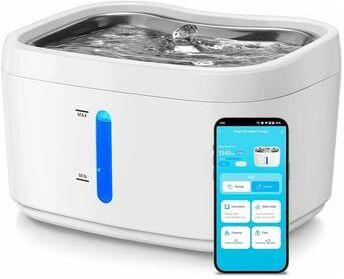
Inspire Essentials Smart App Connected Cat Water Fountain bGive your pet constant access to fresh, flowing water with a smart fountain designed for modern pet care. This automatic water fountain encourages healthy hydration by providing a continuous stream of filtered water that cats and dogs naturally...121,98 $*Shipping: 0,00 $Secure redirect to the provider
-
Hubble Connected Nursery Pal Deluxe Twin Smart Baby MonitorWith Nursery Pal Deluxe, baby monitors are no longer just for parents. This innovative Hubble product comes with a 5" HD color touch screen that doubles as an interactive viewer for children to use as they grow, including videos, picture books and...299,99 $*Shipping: 0,00 $Secure redirect to the provider
-
What is the difference between an electrolytic capacitor and a capacitor?
The main difference between an electrolytic capacitor and a regular capacitor lies in their construction and the type of dielectric material used. Electrolytic capacitors use an electrolyte as the dielectric, allowing them to achieve high capacitance values in a small size. Regular capacitors, on the other hand, use materials like ceramic, plastic, or paper as the dielectric. Additionally, electrolytic capacitors are polarized, meaning they have a specific positive and negative terminal, while regular capacitors are non-polarized and can be connected in any orientation. **
-
How is a plate capacitor connected to an ideal current source?
A plate capacitor is connected to an ideal current source by connecting one terminal of the current source to one plate of the capacitor and the other terminal to the other plate. The current source will then provide a constant flow of electrons into one plate of the capacitor and an equal flow out of the other plate, causing the capacitor to charge or discharge accordingly. This setup allows for a continuous flow of current through the capacitor, maintaining a constant voltage across its plates. **
-
Is the capacitor defective?
It is not possible to determine if the capacitor is defective without further information or testing. Capacitors can fail for a variety of reasons, including age, overvoltage, or manufacturing defects. To determine if the capacitor is defective, it would be necessary to test it with a multimeter or capacitance meter to check for proper capacitance and leakage. Additionally, visual inspection for physical damage or bulging can also indicate a defective capacitor. **
-
What is a capacitor?
A capacitor is an electronic component that stores and releases electrical energy in a circuit. It consists of two conductive plates separated by an insulating material called a dielectric. When a voltage is applied across the plates, the capacitor stores energy in the form of an electric field. Capacitors are commonly used in electronic circuits to filter out noise, smooth voltage fluctuations, and store energy for short periods of time. **
* All prices are inclusive of VAT and, if applicable, plus shipping costs. The offer information is based on the details provided by the respective shop and is updated through automated processes. Real-time updates do not occur, so deviations can occur in individual cases. ** Note: Parts of this content were created by AI.